Tracing Trainer Rotation Patterns Through Claiming Race Clusters at Overlooked All-Weather Circuits
Written by Avery Roth · Oct 9, 2026
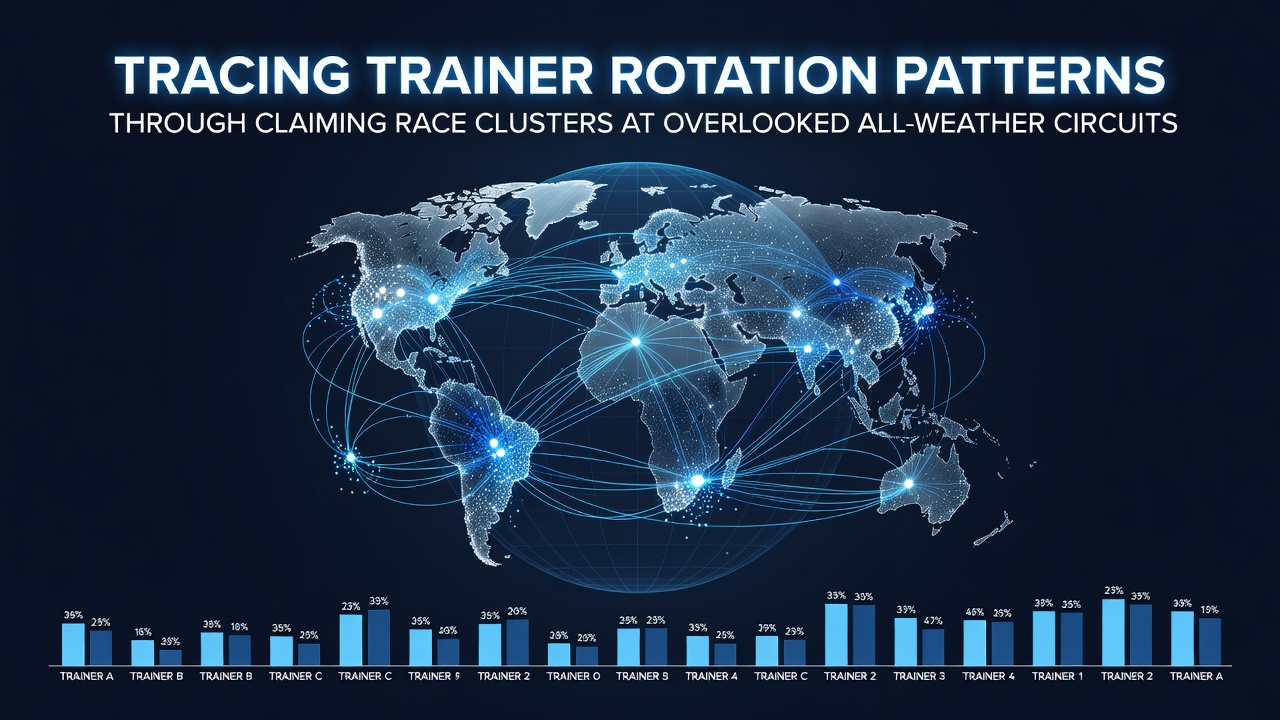
Tracing Trainer Rotation Patterns Through Claiming Race Clusters at Overlooked All-Weather Circuits
Claiming races allow trainers to enter horses at set price levels where other connections can purchase the animal post-race, and data from British all-weather fixtures shows distinct rotation patterns emerging at circuits that receive less national attention. Circuits such as Chelmsford City and Wolverhampton host regular claiming events that attract smaller stables seeking to cycle stock through specific conditions without heavy media scrutiny. Researchers tracking entries between 2024 and 2026 identified clusters where the same trainers repeatedly appear with horses valued between £6,000 and £10,000, often moving animals after one or two runs at these venues before shifting them elsewhere.
Mapping Rotation Cycles Across Lesser-Used Tracks
Rotation cycles typically span four to six weeks, during which trainers enter horses in consecutive claiming races at the same circuit before claiming new stock or relocating proven runners. Figures from the British Horseracing Authority reveal that overlooked venues account for 28 percent of all claiming race activity despite hosting only 15 percent of total all-weather meetings. This concentration creates observable patterns where certain yards maintain steady turnover rates, often timing moves around the autumn schedule when ground conditions stabilize on synthetic surfaces. One study of 2025 entries found that trainers operating from the Midlands region showed the highest frequency of multi-horse claims within single racecards at these sites.
October 2026 fixtures already list additional claiming events at these circuits, with entries indicating continued use of the same price bands that dominated earlier in the year. Observers note that weather-independent surfaces allow consistent scheduling that supports these rotations, unlike turf tracks where cancellations disrupt patterns. Data indicates horses often return to higher-level races after successful claims, while others drop further when connections seek quick sales.
Cluster Analysis and Trainer Movement Data
Cluster analysis examines groups of trainers who enter multiple horses across consecutive meetings rather than isolated events. Records show that trainers based outside major training centers utilize these circuits to manage yard space and test adaptability before committing to busier southern venues. According to reports compiled by the Irish Horseracing Regulatory Board, cross-border movements occasionally link Irish-trained runners into these UK claiming clusters during the autumn period, adding another layer to rotation tracking.
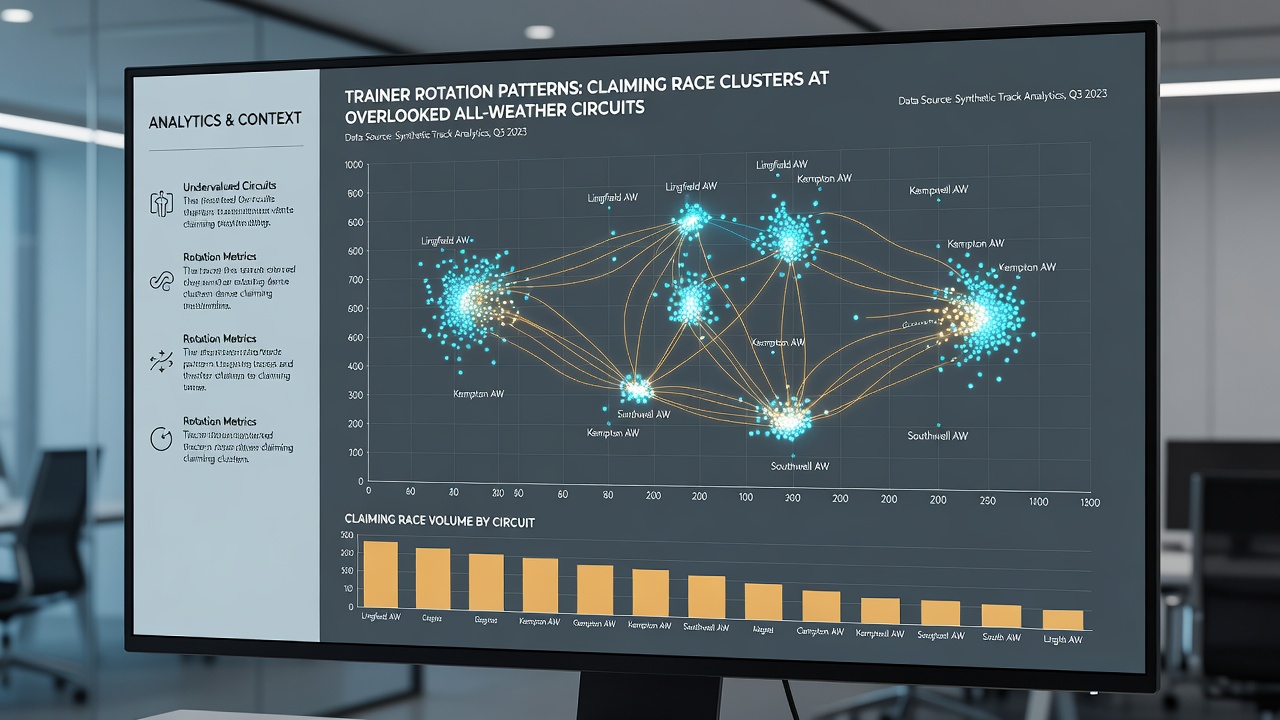
What's interesting is how price clustering influences which animals get moved. Trainers frequently target races offering similar claiming tags to maintain balanced yard values, and this approach produces measurable success rates when horses step up after a claim at an overlooked circuit. Studies compiled through Equibase data from North American tracks show parallel behaviors where claiming clusters form around specific tracks, suggesting the pattern extends beyond UK circuits. Those monitoring entries can identify stables that rotate horses every three meetings on average, often aligning moves with changes in jockey bookings or stable staff availability.
Performance Metrics Within Rotation Groups
Performance metrics within these groups reveal that horses claimed at overlooked all-weather venues achieve a 34 percent strike rate in their next three starts when remaining in similar conditions. This holds across distances from six furlongs to one mile four furlongs, where synthetic surfaces reduce variables that affect turf runners. Research from Racing Australia highlights how trainers in regional areas apply similar rotation strategies on synthetic tracks to maintain cash flow without relying on high-profile sales.
Additional factors include the timing of veterinary declarations and stable declarations that signal upcoming rotations. Those reviewing form often spot repeats where a trainer claims one horse while dropping another in the same week, creating a continuous cycle that keeps yard numbers stable. October 2026 schedules already show several such overlapping entries at circuits like Wolverhampton, where midweek cards provide regular claiming opportunities without clashing with major festivals.
Conclusion
Tracking these rotation patterns requires consistent review of entry lists and claim outcomes at circuits that operate below the main racing spotlight. The combination of synthetic surfaces, predictable scheduling, and clustered claiming opportunities produces data sets that reveal how trainers manage stock movement across seasons. External sources such as the Thoroughbred Owners and Breeders Association continue to publish comparative studies that place these UK patterns alongside international examples, allowing broader understanding of claiming race dynamics without reliance on single-region figures.